
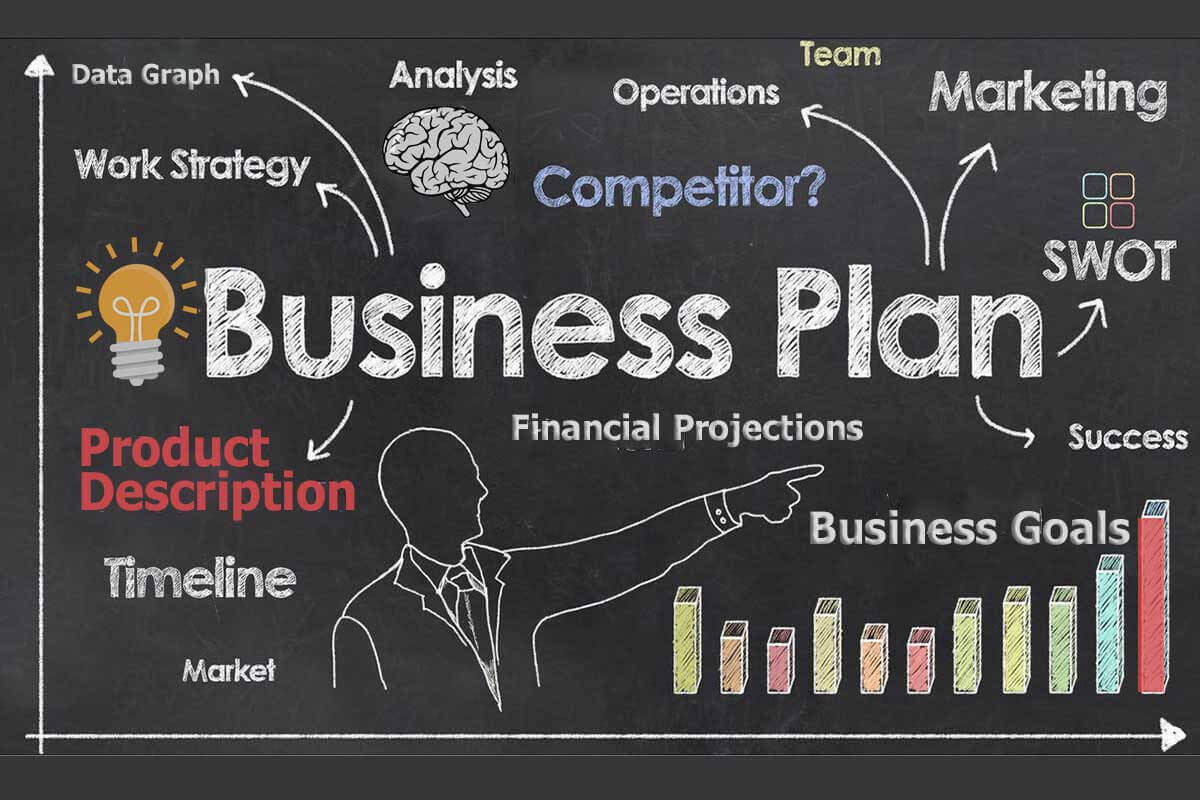

Raising capital is one of the most critical phases in a startup’s journey. But before you pitch to investors, there’s an essential step many founders overlook—stress testing your business plan. A well-crafted business plan may look impressive on paper, but unless it’s tested against real-world scenarios, uncertainties, and potential risks, it can fall apart under investor scrutiny.
Stress testing your business plan means challenging your assumptions, validating your projections, and ensuring your strategy holds up even under adverse conditions. It’s about identifying weaknesses before investors do—and fixing them. In this blog, we’ll explore how to effectively stress test your business plan before stepping into the fundraising arena.
Why Stress Testing Matters
Investors are not just investing in your idea; they’re investing in your ability to navigate uncertainty. They will question your numbers, your strategy, and your execution plan. If your business plan cannot withstand tough questions or unexpected market changes, it signals risk.
Stress testing helps you:
- Identify gaps in your strategy
- Strengthen your financial projections
- Improve credibility with investors
- Prepare for worst-case scenarios
- Build confidence in your decision-making
Think of it as a rehearsal before the main performance.
1. Challenge Your Core Assumptions
Every business plan is built on assumptions—about your market, customers, pricing, growth rate, and more. The first step in stress testing is to question each of these assumptions.
Ask yourself:
- What if customer acquisition takes twice as long?
- What if your pricing doesn’t resonate with the market?
- What if your competitors react aggressively?
Try replacing optimistic assumptions with conservative ones. If your business still looks viable, you’re on the right track. If not, you’ve identified a risk that needs addressing.
2. Run Multiple Financial Scenarios
Financial projections are one of the first things investors scrutinize. Instead of presenting a single “perfect” forecast, create multiple scenarios:
- Best Case: Everything goes as planned
- Expected Case: Realistic growth based on data
- Worst Case: Delays, lower sales, higher costs
Analyze how your cash flow, profitability, and runway change in each scenario. This not only shows preparedness but also helps you understand how much buffer you need in your funding.
A strong business plan is not one that avoids risk—but one that plans for it.
3. Test Your Unit Economics
Unit economics tells you whether your business can be profitable at scale. Stress test key metrics like:
- Customer Acquisition Cost (CAC)
- Lifetime Value (LTV)
- Gross margins
- Payback period
What happens if your CAC increases by 30%? Or if your retention rate drops? If your unit economics still make sense under pressure, it signals a sustainable business model.
Investors want to see that your growth is not just fast—but also financially sound.
4. Validate Your Market Demand
Many startups assume demand without fully validating it. Stress testing your business plan involves proving that customers actually want your product.
Ways to validate demand:
- Run pilot programs or beta launches
- Collect real user feedback
- Analyze competitor performance
- Conduct surveys or interviews
If your demand assumptions are weak, your entire business plan becomes fragile. Strong validation reduces uncertainty and builds investor confidence.
5. Assess Operational Risks
Execution is often where businesses fail. Even if your idea is strong, operational challenges can derail your progress.
Stress test areas like:
- Supply chain reliability
- Hiring and team scalability
- Technology infrastructure
- Vendor dependencies
Ask: “What could go wrong here?” and “How would we respond?”
Having contingency plans for operational risks shows maturity and preparedness—qualities investors value highly.
6. Evaluate Competitive Pressure
No business operates in isolation. Your competitors will react—especially if you gain traction.
Stress test your plan by considering:
- New entrants in your market
- Price wars
- Feature replication
- Aggressive marketing by competitors
How defensible is your business? Do you have a unique advantage—such as technology, brand, or distribution?
Investors look for businesses that can survive and thrive in competitive environments.
7. Pressure Test Your Go-To-Market Strategy
Your go-to-market (GTM) strategy is how you plan to acquire and retain customers. Stress testing this involves evaluating whether your channels and tactics are scalable and cost-effective.
Questions to consider:
- What if your primary channel stops performing?
- Do you have alternative acquisition channels?
- Is your messaging clear and compelling?
A flexible and diversified GTM strategy reduces dependency on a single channel and improves resilience.
8. Get External Feedback
One of the most effective ways to stress test your business plan is to expose it to external perspectives.
Seek feedback from:
- Mentors and advisors
- Industry experts
- Early-stage investors
- Potential customers
Encourage them to challenge your assumptions and poke holes in your plan. This process can be uncomfortable—but it’s incredibly valuable.
Often, outsiders can spot risks that founders may overlook.
9. Simulate Investor Q&A
Before fundraising, simulate investor meetings. Prepare for tough questions such as:
- Why will your business succeed where others failed?
- What are your biggest risks?
- How will you use the funds?
- What milestones will you achieve?
Practice answering confidently and with data-backed insights. This exercise not only strengthens your plan but also improves your pitch delivery.
10. Plan for Cash Flow Surprises
Cash flow is the lifeline of any business. Even profitable businesses can fail if they run out of cash.
Stress test your cash flow by asking:
- What if revenue is delayed?
- What if expenses increase unexpectedly?
- How long can you survive without additional funding?
Build a financial cushion and ensure you have a clear runway. Investors appreciate founders who are financially disciplined and realistic.
Final Thoughts
Stress testing your business plan is not about finding flaws—it’s about fixing them before they become real problems. It transforms your plan from a theoretical document into a practical, resilient strategy.
When you walk into a fundraising meeting with a stress-tested business plan, you demonstrate more than just vision—you show preparedness, adaptability, and strategic thinking.
In today’s competitive startup ecosystem, that can make all the difference.
Before you pitch your idea, pressure test it. Because the stronger your foundation, the higher your chances of securing the funding—and building a successful business.